What is Día de Muertos?

On 1 and 2 November, Mexico celebrates Día de Muertos (the Day of the Dead). During these two days, people remember and honour their deceased loved ones in a festive and special way. Día de Muertos is also celebrated in other countries across the Americas, but Mexico’s celebration is the most famous worldwide. On this page, you can discover how Mexicans celebrate and experience this unique tradition.

Day of the dead

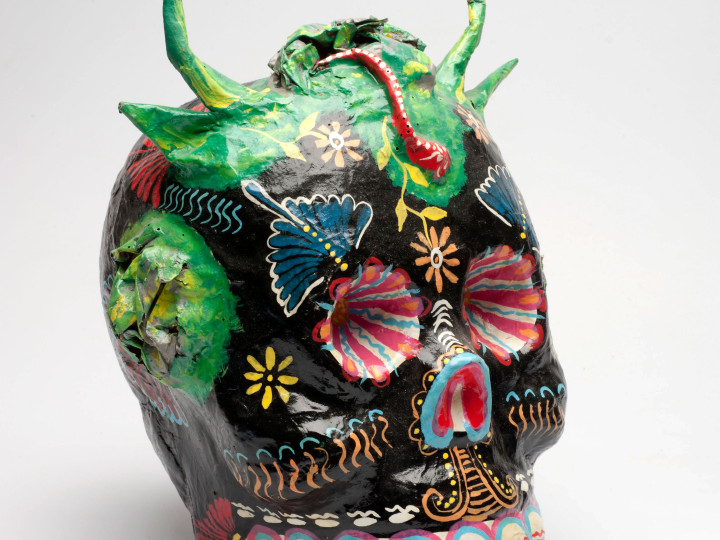
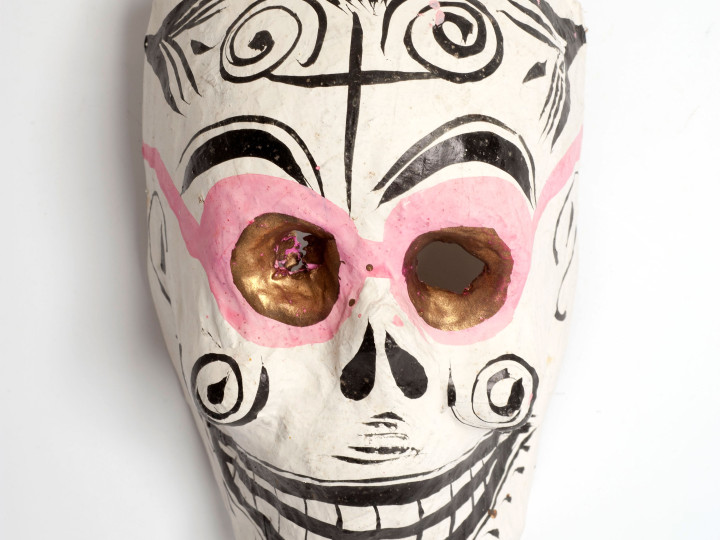
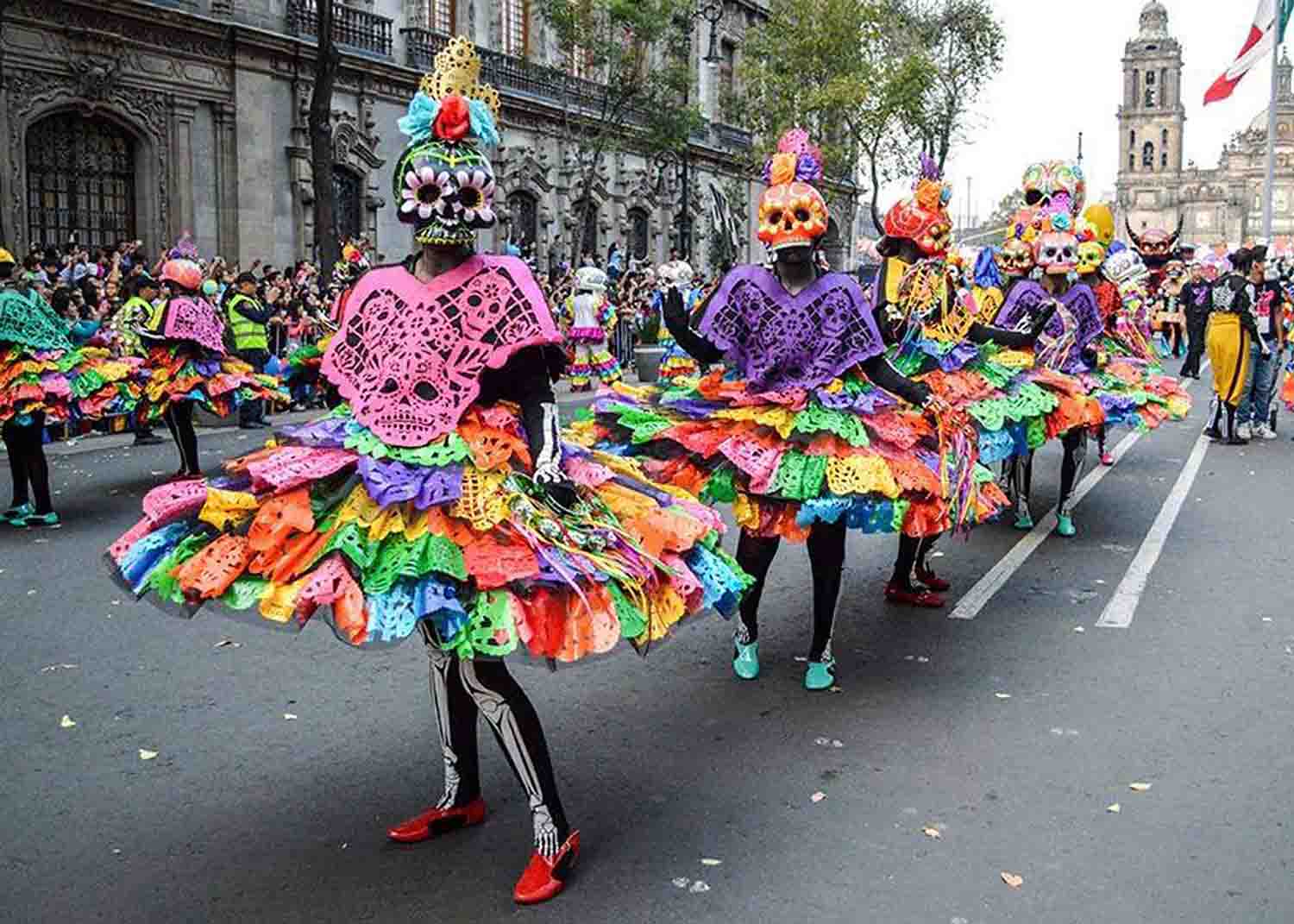
In Mexico, people celebrate Día de Muertos (the Day of the Dead) on 1 and 2 November. For many Mexicans, it is a special festival to remember loved ones who have died, including people and animals. Their lives are celebrated in a joyful way. It is not a sad occasion. Families and friends come together to share memories, enjoy delicious food and listen to happy music. During Día de Muertos, houses and streets are decorated with colourful streamers and flags. In Mexico City, huge parades take place throughout the city. People wear beautiful and colourful costumes. Skeletons and skulls can be seen in streets, houses, shops and markets. People sell sweets and toys inspired by symbols of death, such as sugar skulls, skeleton dolls, coffins and images of La Muerta.
Dia de Muertos straatfeest


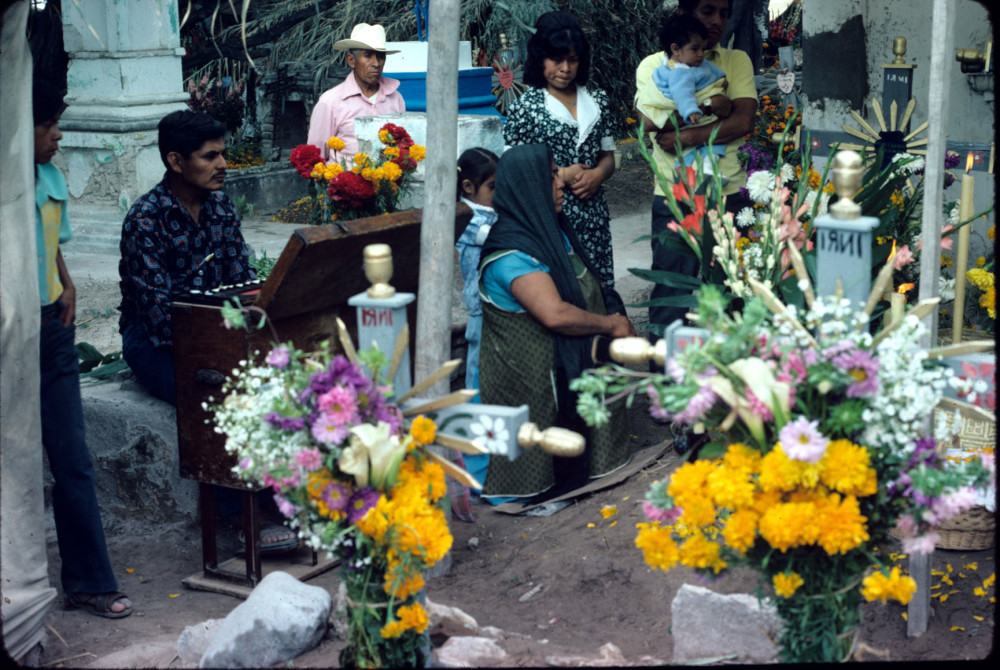
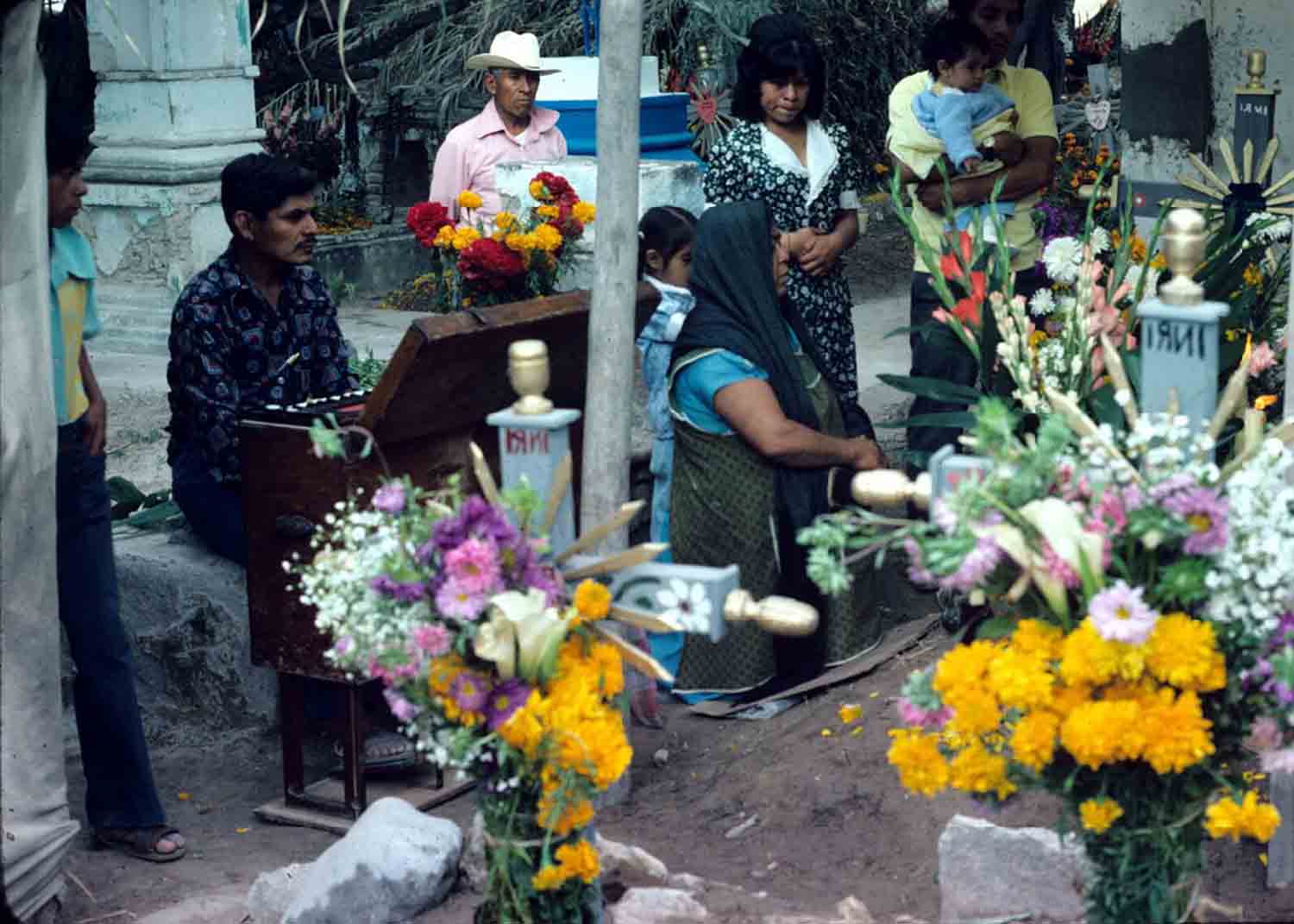
During Día de Muertos young and old visit the family grave. These graves are carefully cleaned and decorated. People remember their loved ones and celebrate their lives with flowers, food, drinks and music.
 

Familie altaarMexico
Family visiting a grave on All Souls / Día de Muertos. Photographer Ted Leyenaar, 1975, RV-13788-420-723 
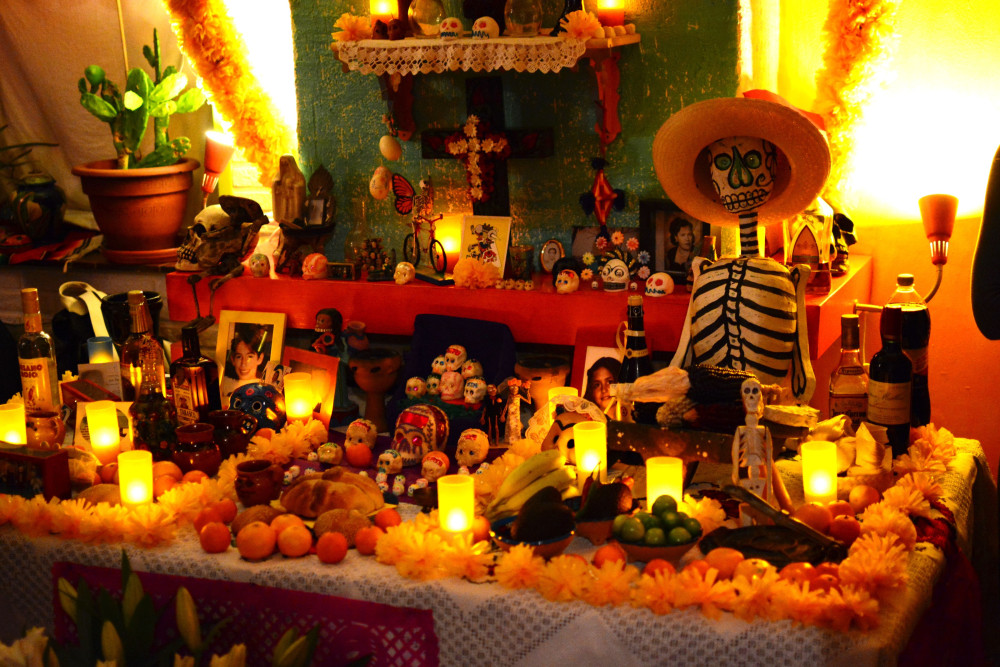
Offering or altar for the dead, at the author’s home, 2013. Photographer: Edo.
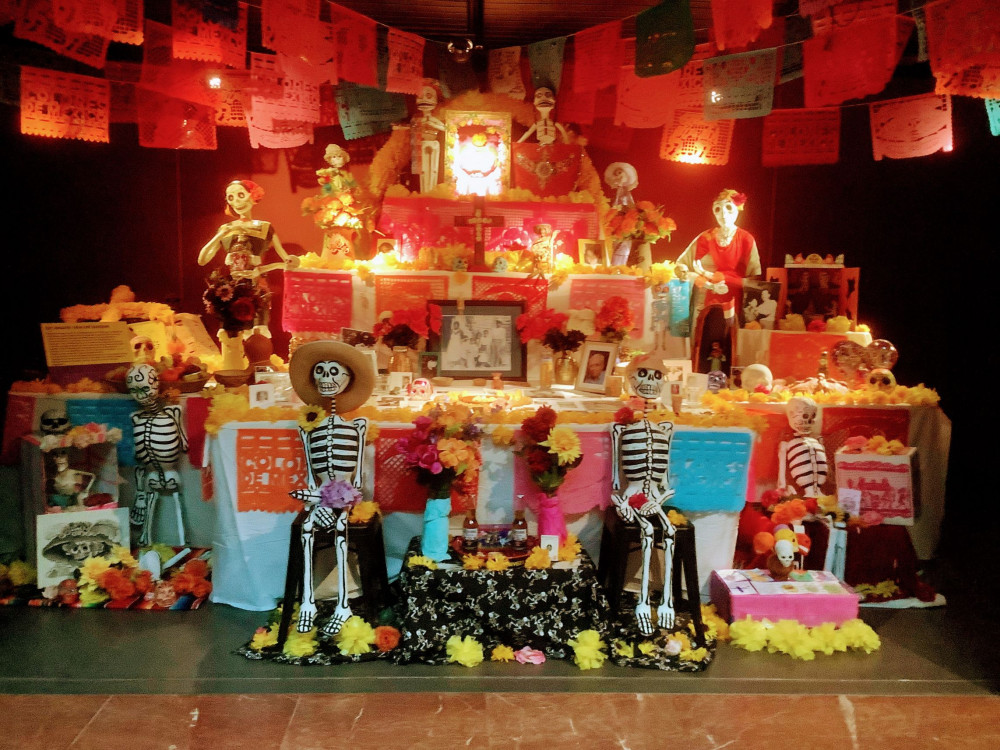
Altar for the Día de Muertos celebrations at the Wereldmuseum in Leiden, 2025. Photographer: Edo

Día de Muertos Altars and Offerings

During Día de Muertos, the souls of departed loved ones return briefly to their families, where they are welcomed with warmth and hospitality. Young and old alike visit the family grave. These graves are cleaned with great care, memories are shared, and the lives of the deceased are celebrated exuberantly with flowers, food, drink, incense, countless candles and music. This is what makes the magic of cemeteries in Mexico and across the rest of the continent so special. Whilst families commemorate their departed loved ones with all these elements, it may seem as though a festival is being celebrated, but in reality this is not the case. It is a unique fusion of ancestral traditions and medieval European Catholic customs, a way of commemorating the departed with respect, joy and sorrow.

RV-13788-420-723
A family visits a grave during Día de Muertos. Photographer: Ted Leyenaar, 1975.
RV-10287-4-36
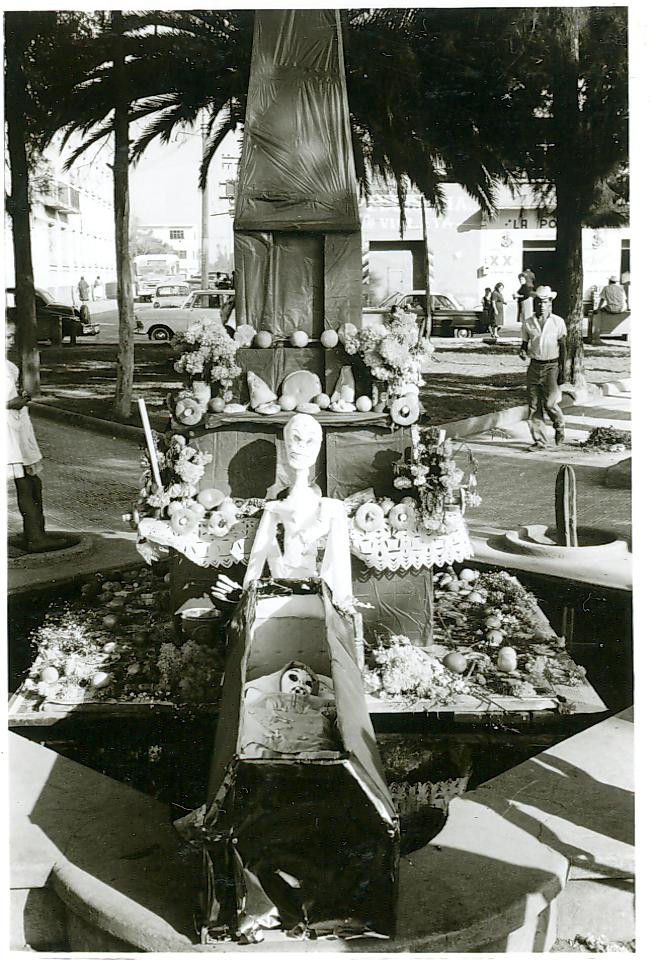
A decorated grave. Photographer: Ted Leyenaar, 1966.

If a family member is unable to visit the cemetery, an altar can be a lovely alternative. At home, families create altars for deceased family members. They decorate them with photographs, incense, candles and cempasúchil (marigolds). This bright orange flower has a distinctive scent and is believed to help the dead find their way home.

Humour and Skeletons During Día de Muertos

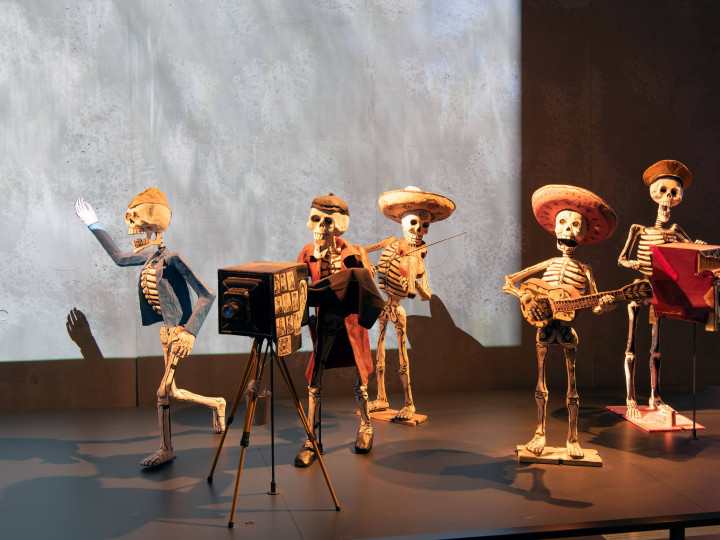
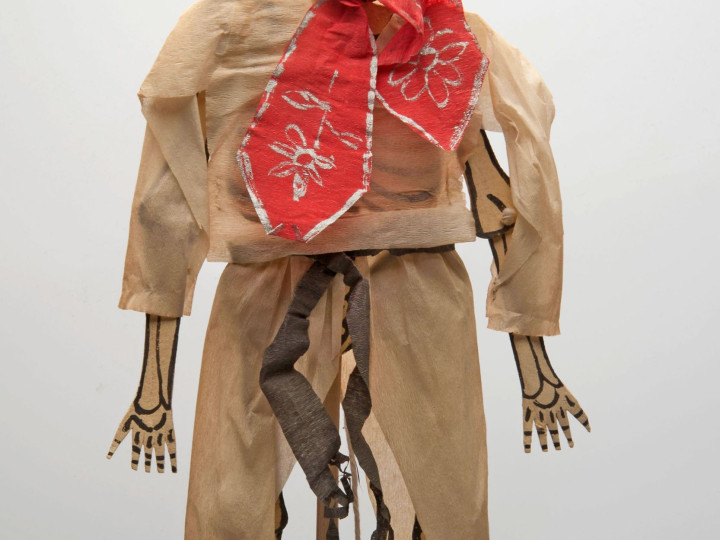
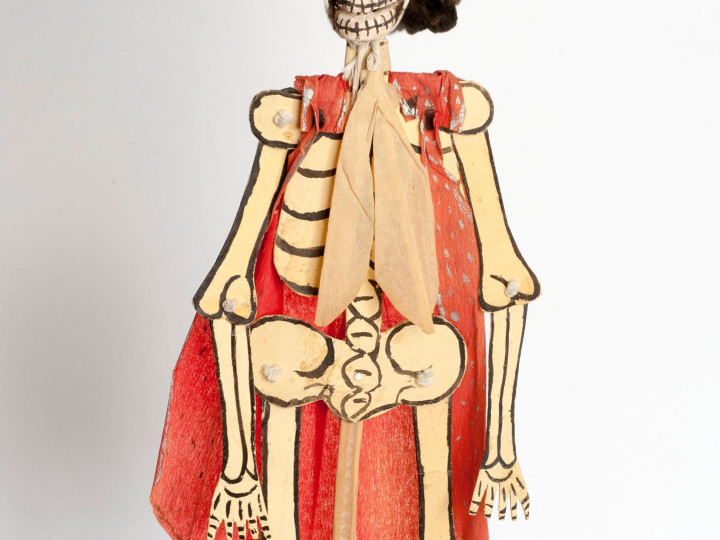
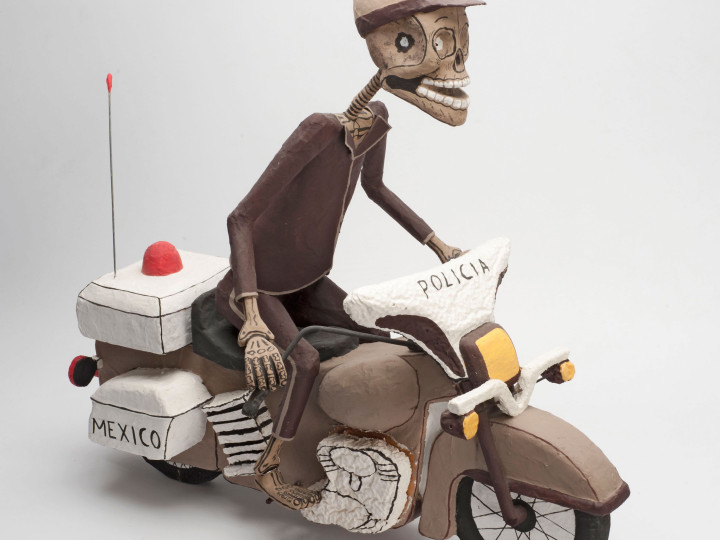
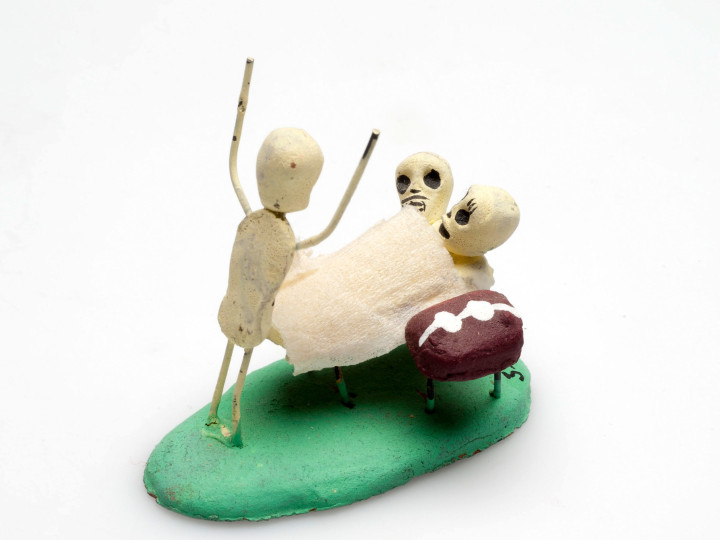
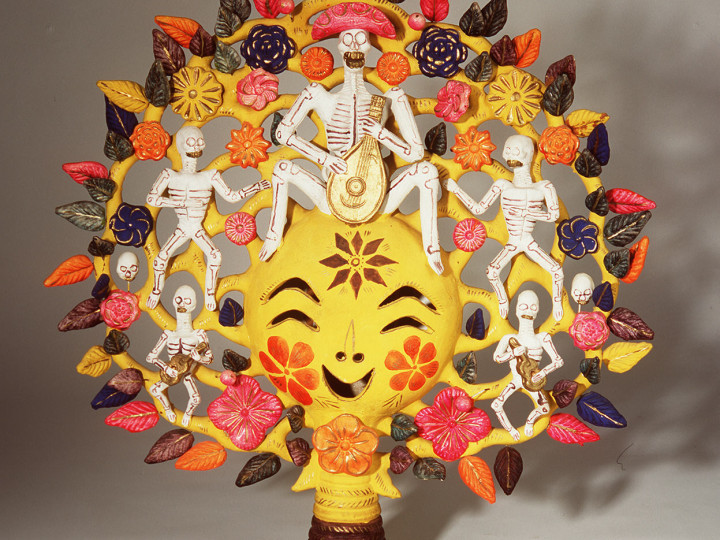
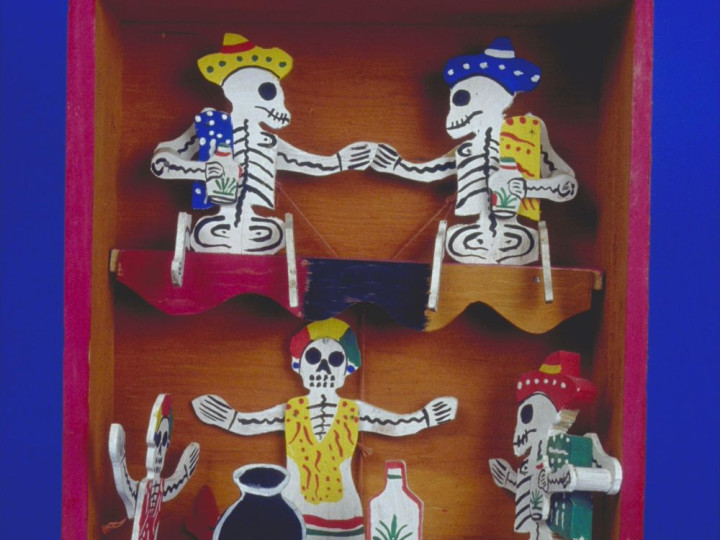
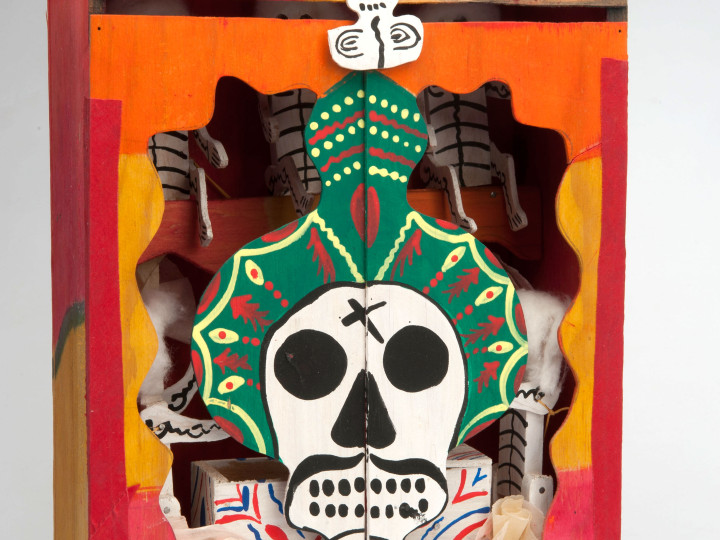
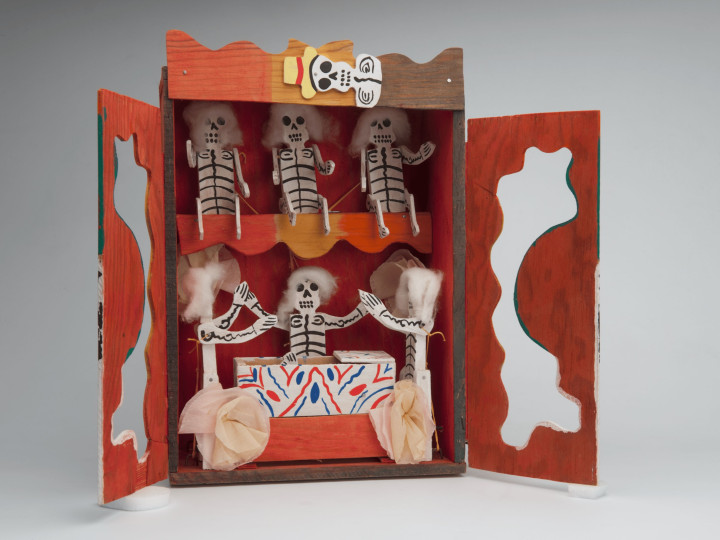
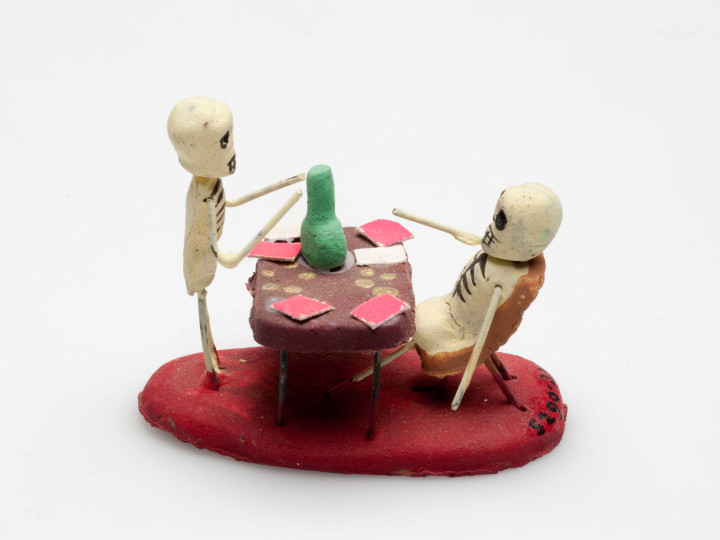
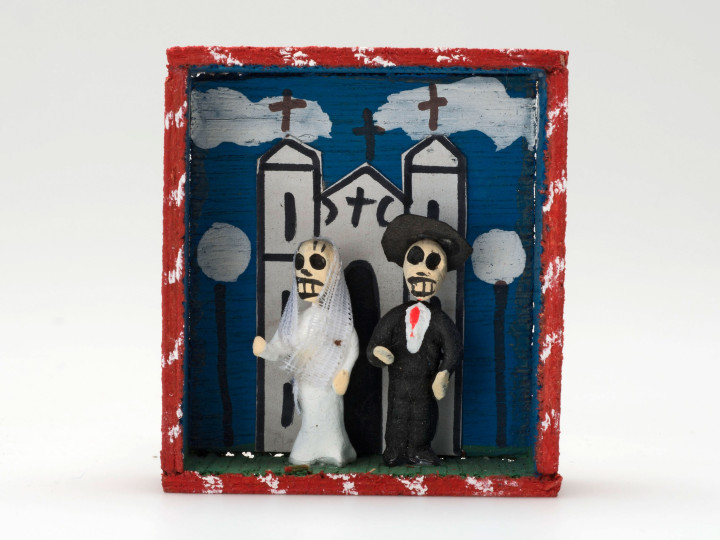
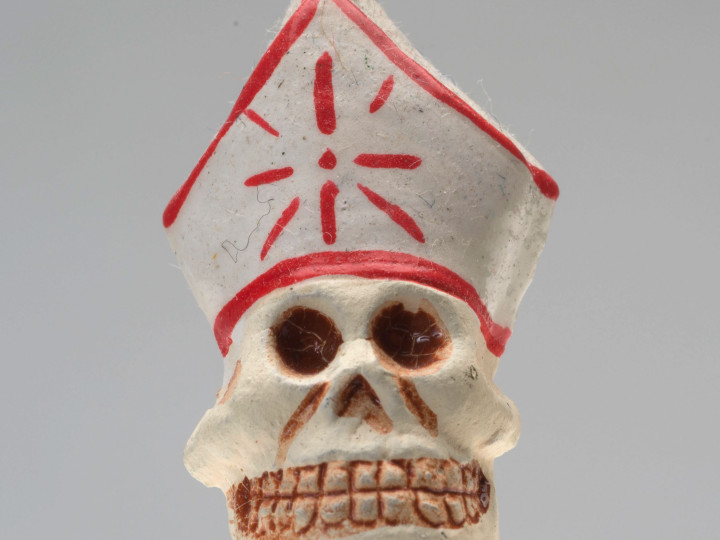
On Día de Muertos, humour is used in Mexico’s cities to highlight social and political issues. This often takes the form of satirical poems and newspaper cartoons. These stories show skeletons in everyday situations. Another tradition is the use of papier-mâché calaveras. These skeleton puppets are dressed as ordinary people, such as firefighters or musicians. They can also portray funny or awkward scenes from everyday life.

Photographer Ted Leyenaar, 1966.

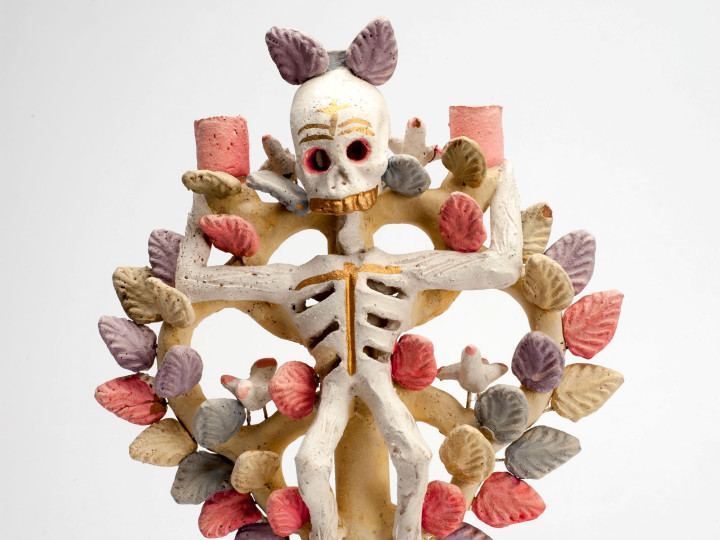
Markets and shops sell them alongside sugar figurines, statuettes, candlesticks and display cases. These colourful objects radiate cheerfulness and offer an ironic view of everyday life, current events, famous people and human weaknesses. They also remind people that, in the end, everyone shares the same fate.

Papel Picado: Colourful Paper Decorations for Día de Muertos

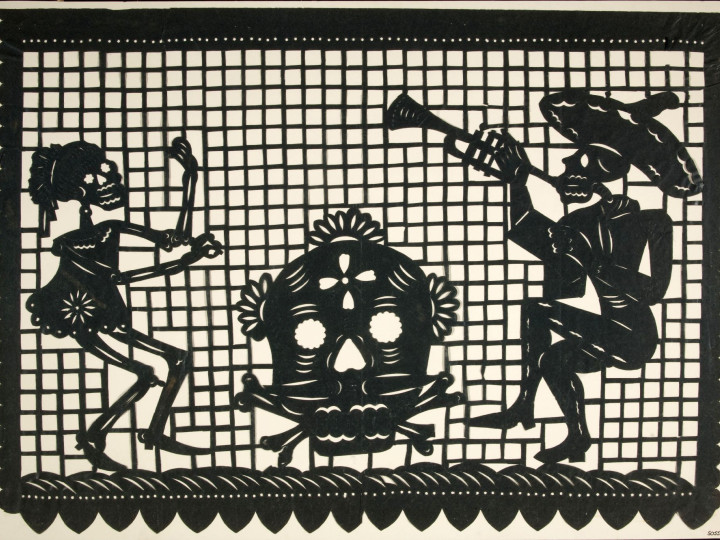
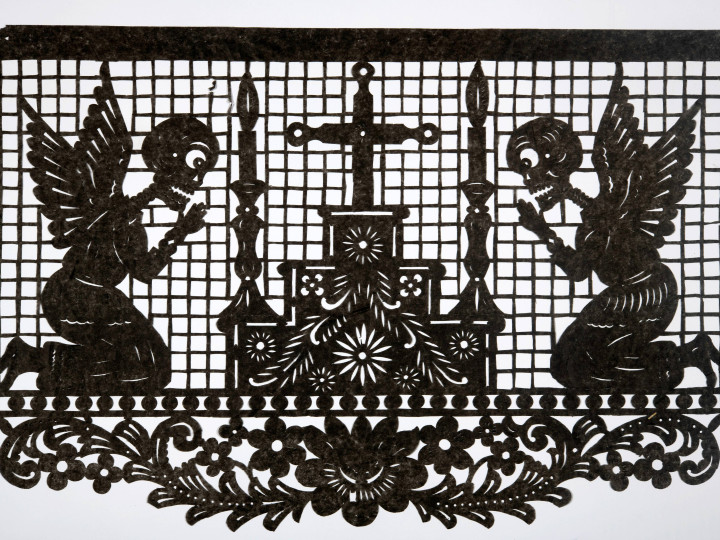
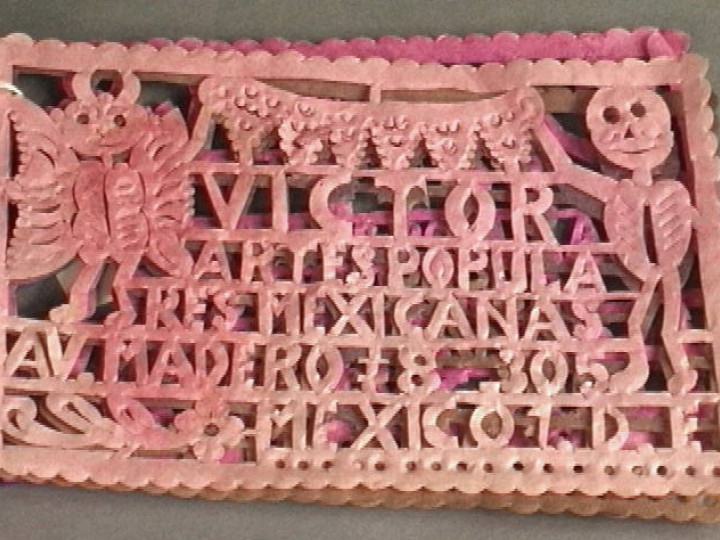
During Día de Muertos, large numbers of colourful paper cut-outs (papel picado) adorn altars, graves, churches, homes, streets and squares. They are also used for other national holidays, community celebrations, weddings and christenings. Paper cut-outs create a festive and symbolic atmosphere. Each colour has its own meaning. Purple and black represent mourning and respect. Orange is the colour of cempasúchil (marigolds) and symbolises the dead. White symbolises the purity of souls. And blue, green, pink and yellow symbolise the joy and diversity of life.

La Catrina and the Modern Día de Muertos Parade

La Catrina is an elegant female skeleton figure. She wears a feathered hat in a 19th-century European style. She has become a symbol of Día de Muertos: with humour and irony, she embodies the Mexican way of dealing with death. The Mexican engraver José Guadalupe Posada created this character in the early 20th century as a form of social commentary: ultimately, rich and poor share the same fate: death. 
La Catrina became even more famous in 1947. That year, artist Diego Rivera, the husband of Frida Kahlo, included her in his mural Sueño de una tarde dominical en la Alameda Central (Dream of a Sunday Afternoon in Alameda Central Park). The mural was displayed at the Hotel Prado in Mexico City.

Many processions take place in Mexico throughout the year. However, the large Día de Muertos parade in Mexico City is a relatively recent tradition. The idea for the parade came from the 2015 James Bond film Spectre. The film opens with a spectacular chase during a colourful Día de Muertos parade in Mexico City. The parade features musicians, dancers and people wearing skull and skeleton costumes.

The History of Día de Muertos

Skulls and skeletons, sugar figurines and paper cut-outs are strikingly recognisable elements that are inextricably linked to Día de Muertos. But those same elements were, and still are, part of traditions in Europe, particularly in Spain. In the 16th century, the Spanish conquerors introduced the Christian celebrations of All Saints’ Day and All Souls’ Day, which are observed on 1 and 2 November. These celebrations blended with indigenous traditions centred on honouring the dead and evolved into what we now know as Día de Muertos. Even today, ancestors still play an important role in the daily lives of many indigenous communities.

Riccardo Forte - RF-ArtPhotography, CC BY-SA 4.0 <https://creativecommons.org/licenses/by-sa/4.0>, via Wikimedia Commons
An offering for the Day of the Dead in a church in Ocotepec, 2007.

Día de Muertos symbols

The sugar skull is one of the most recognisable symbols of Día de Muertos. It represents not only death, but also joy, remembrance and the spiritual connection between the living and their ancestors. Since the Middle Ages, breads and sweets in the shape of bones have also been made in Spain and elsewhere in Europe for All Souls’ Day. Paper cut-outs were once religious decorations in Catholic churches and for festivals honouring patron saints, but in Mexico they have now become a national symbol of festivity. Incidentally, paper cut-outs made from amatl  (paper made from tree bark) were already being produced in pre-Spanish times. The use of Death in the form of a skeleton in processions is also found in Europe.

RV-4436-2.JPG
Sugar skulls and bread for the dead

How to Make a Sugar Skull or Papel Picado

Would you like to celebrate Día de Muertos at home too, and make something tasty or pretty in honour of your departed loved ones? Then watch the Feestkeuken video, where you’ll learn how to make a sugar skull. Or make your own papel picado party bunting, and check out our other at-home activities that we’ve come up with especially for Día de Muertos.

Edoardo en Diederik.jpg
Edoardo and Diederik in the Party Kitchen.
Party Kitchen Sugar Skull.jpg
Edoardo and Diederik in the Party Kitchen.

About the author

My name is Edoardo; I’m a museum educator, guide and storyteller. I believe that every object, every tradition and every ritual holds a story that teaches us something about who we are. Through my work, I bring together history, myth and culture to help the public experience just how alive our heritage still is.